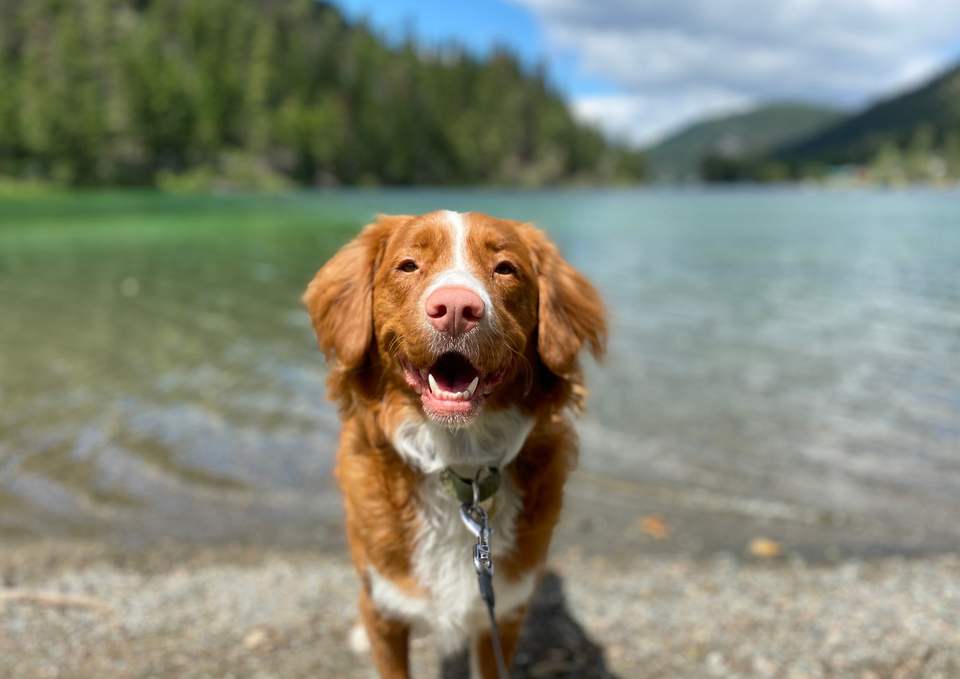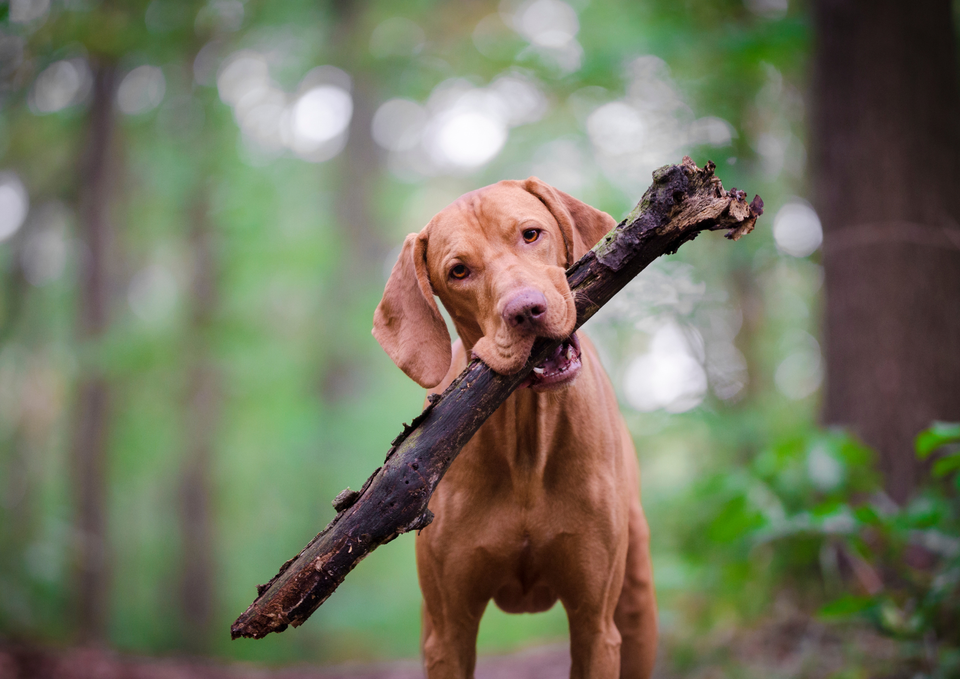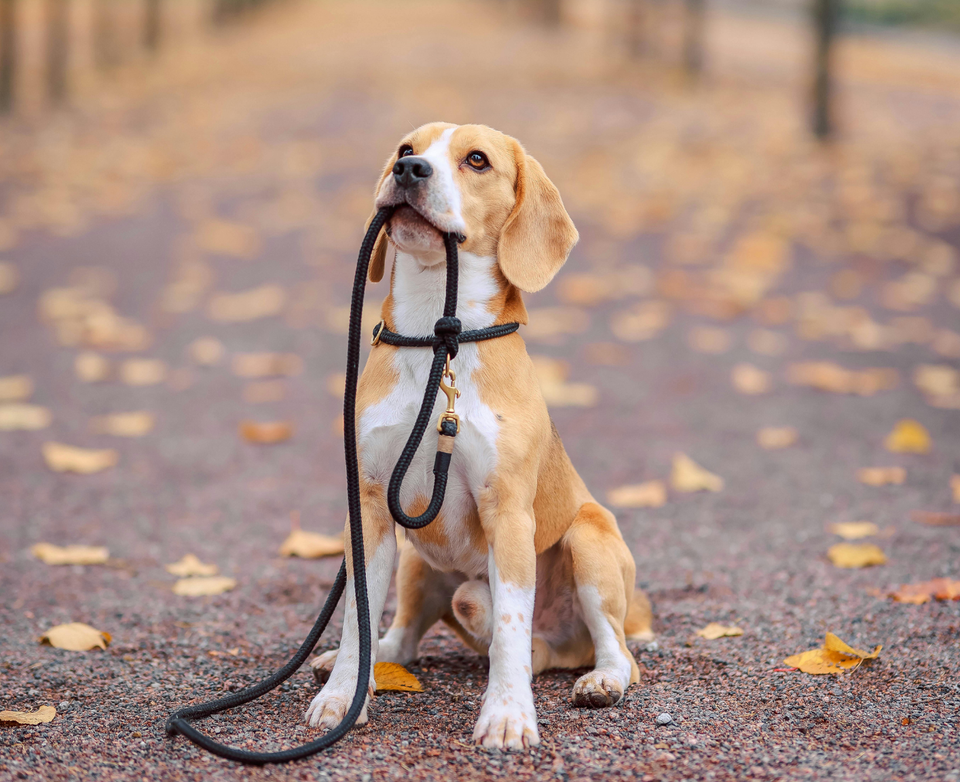
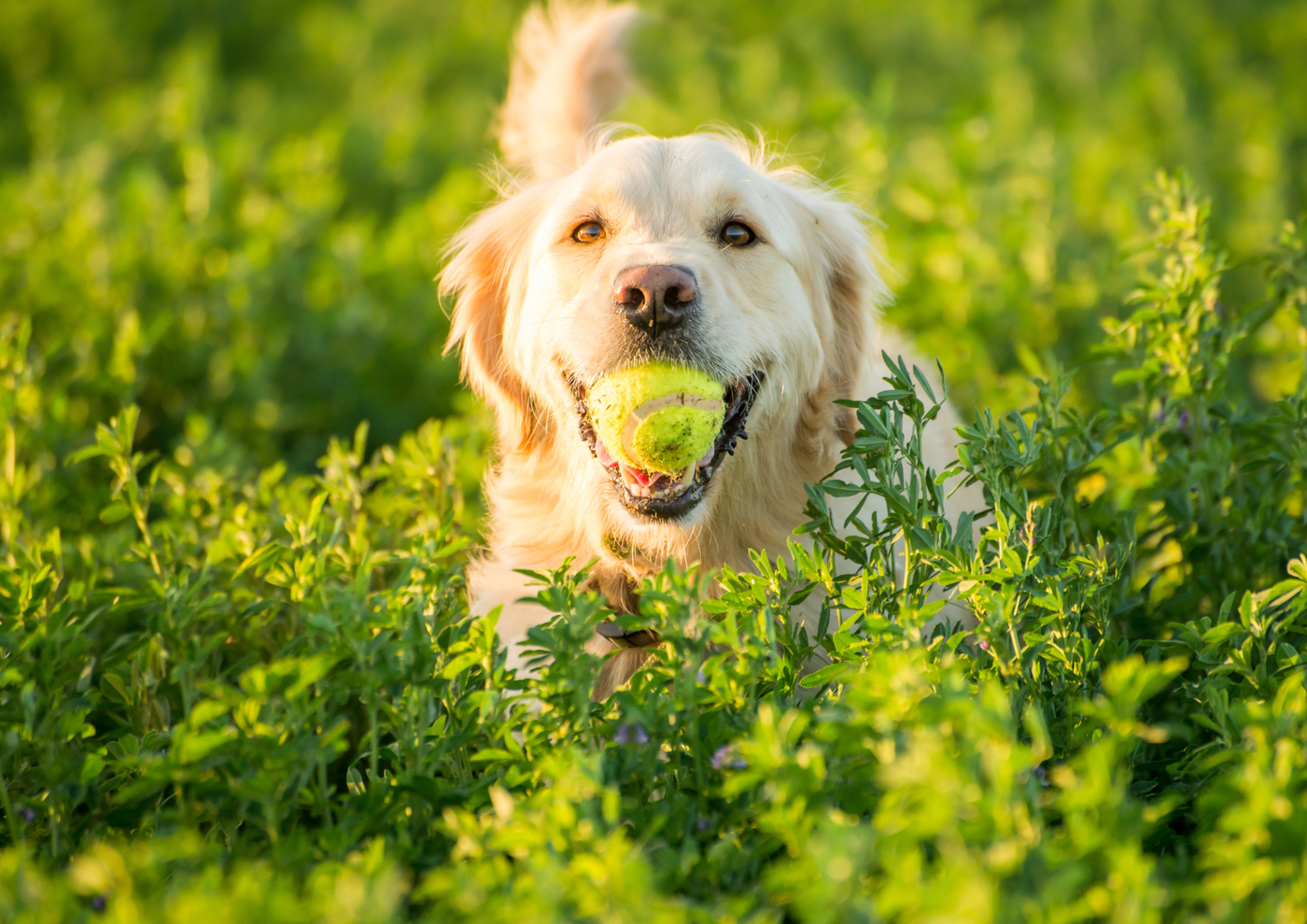
If there is one thing most dogs are very good at, it is convincing us they need more.
Another walk? Absolutely.
Another game of fetch? Obviously.
That ball you threw 47 times already? They are certain you should throw it again.
Dogs are enthusiastic, energetic and often seem almost impossible to tire out. But while that endless enthusiasm is one of the things we love most about them, it can sometimes lead us into a mistake: assuming that a tired dog is always a healthy dog.
The truth is that more exercise is not always better. Like humans, dogs need the right amount of activity for their age, breed, health, fitness level and lifestyle. Too much exercise, especially the wrong type, can quietly cause problems that may not appear until later.
The Myth of “A Tired Dog Is a Happy Dog”
You have probably heard the saying: “A tired dog is a happy dog.”
And there is some truth in it. Dogs do need physical activity and mental stimulation. A dog who never gets a chance to explore, sniff, play or interact with the world can become bored, frustrated and more likely to develop unwanted behaviours.
But the goal is not to completely exhaust your dog.
A dog who collapses after every walk, struggles to get up afterwards or seems sore the next day is not necessarily a sign of a successful exercise routine. It may be a sign that their body is being pushed beyond what it can comfortably handle.
A healthy dog should finish exercise feeling satisfied, not broken.
Dogs Don’t Always Know When to Stop
One of the challenges of exercising dogs is that many of them have terrible self-control.
A Labrador chasing a ball, a Border Collie herding movement or a Spaniel following a scent trail may keep going long after their body would benefit from a rest.
This is because dogs are driven by instinct and excitement. They do not always understand the difference between “I can do this” and “I should do this.”
A dog may happily run after a ball despite having sore joints. They may continue a long walk despite tired muscles. They may appear fine because their excitement is temporarily masking discomfort.
As owners, we often have to be the ones who make the sensible decision.
Age Matters More Than We Sometimes Realise
Exercise needs change throughout a dog’s life.
Puppies need movement to develop strong muscles, coordination and confidence, but their growing bodies are still vulnerable. Too much high-impact exercise, repetitive jumping or long forced walks can put unnecessary stress on developing joints.
Adult dogs often have more stamina, but that does not mean every adult dog needs hours of intense activity every day. Fitness levels, genetics, weight and previous injuries all make a difference.
Older dogs can still enjoy walks and play, but their needs often shift. They may benefit more from shorter, more frequent walks, gentle swimming, sniffing activities and exercises that maintain mobility without putting strain on ageing joints.
The best exercise plan is the one that changes with your dog.
Not All Exercise Is Created Equal
A two-hour slow countryside walk is very different from two hours of chasing a ball.
Some activities are much harder on the body than others.
High-impact activities such as repeated jumping, sharp turns, sprinting and sudden stops can put significant strain on joints, muscles and ligaments. This is especially important for larger breeds or dogs prone to joint problems.
Mental exercise is often overlooked too. A dog who spends 20 minutes sniffing, exploring and making choices can be just as fulfilled as a dog who has run for miles.
Sometimes the best walk is not the longest walk. It is the one where your dog gets to be a dog.
Signs Your Dog May Be Doing Too Much
Dogs are excellent at hiding discomfort, so it is important to pay attention to subtle changes.
Signs that your dog may need more rest include:
· Slowing down on walks when they previously had more energy
· Lagging behind or stopping more often
· Stiffness after resting or the following day
· Reluctance to climb stairs, jump or get into the car
· Limping, even if it disappears quickly
· Sleeping much more than usual after exercise
· Changes in behaviour, such as becoming grumpy or less interested in play
These signs do not always mean something serious, but they are worth noticing.
Finding the Right Balance
The healthiest dogs are not necessarily the ones who do the most exercise. They are the ones who get the right exercise for them.
A good routine usually combines:
· Regular movement
· Opportunities to sniff and explore
· Mental stimulation
· Strength and balance exercises
· Plenty of recovery time
Pay attention to your dog’s individual signals. Some dogs need more activity. Others need help learning that rest is part of being healthy too.
Your dog may always tell you they are ready for “just one more throw.”
Sometimes, the kindest thing you can do is put the ball away.
Because a lifetime of healthy movement matters far more than one extra mile today.