For dogs, a walk is rarely just a walk.
It is a chance to explore, sniff out the latest news from the neighbourhood, burn off energy, and spend quality time with their favourite person. But while most dogs would happily head out in almost any conditions, that does not always mean they should.
Weather can have a bigger impact on your dog’s health and comfort than many owners realise. The same walk that feels perfectly pleasant to us can be uncomfortable, exhausting, or even dangerous for our dogs.
Understanding how temperature, rain, wind, ice and humidity affect your dog helps you make better decisions — without taking away the fun of getting outside.
Hot Weather: When a Walk Becomes Too Much
Dogs do not cool themselves in the same way humans do. They rely mainly on panting, with only limited sweating through their paws, which means they can struggle in warm conditions.
A sunny day might feel ideal, but heat builds quickly, especially on pavements and artificial surfaces. Dark roads, paths and patios can become much hotter than the air temperature suggests, potentially burning paw pads.
Signs your dog may be struggling with heat include:
· Excessive or heavy panting
· Drooling more than usual
· Slowing down or refusing to walk
· Bright red gums
· Weakness, wobbling or confusion
On warmer days:
· Walk early in the morning or later in the evening
· Choose shaded routes
· Carry water for longer walks
· Avoid hot pavements where possible
· Never leave your dog in a parked car, even for a short time
Some dogs need extra care in warm weather, including puppies, older dogs, overweight dogs, and breeds with flat faces such as Bulldogs and Pugs.
A good rule? If the ground feels too hot for your hand after a few seconds, it is too hot for your dog’s paws.
Cold Weather: More Than Just a Winter Coat
Many dogs love cold weather. Snow, frost and crisp air can make walks exciting, but cold conditions still come with risks.
Dogs with thick coats, such as Labradors, Huskies and Golden Retrievers, often cope well with lower temperatures. However, smaller dogs, short-haired breeds, older dogs and dogs with health issues may feel the cold much sooner.
Watch for signs your dog is uncomfortable:
· Shivering
· Lifting paws repeatedly
· Slowing down
· Seeking shelter
· Reluctance to continue walking
Ice and grit can also cause problems. Salt and chemicals used on roads can irritate paws and may be harmful if licked.
After winter walks:
· Wipe your dog’s paws
· Check between their toes for ice or grit
· Consider protective boots or paw balm if they are sensitive
Remember that a dog enjoying themselves does not always mean they are comfortable. Many dogs will keep going because they are excited to be outside.
Rain: Usually Fine, But Not Always
Most dogs are perfectly happy walking in the rain. In fact, some seem to enjoy the extra smells that damp weather brings.
The problem is not usually the rain itself — it is staying wet and cold for long periods.
A wet coat loses some of its insulating ability, particularly in smaller dogs or dogs with thinner coats. Long-haired breeds can also develop uncomfortable mats if they are repeatedly soaked and not dried properly.
After rainy walks:
· Dry your dog thoroughly, especially around the ears and paws
· Check for mud trapped between toes
· Look out for irritated skin if your dog frequently gets wet
A waterproof coat can be useful for some dogs, especially older dogs or those who feel the cold, but it is not necessary for every breed.
Wind: The Forgotten Weather Factor
Wind is often overlooked, but strong winds can make conditions much harder for dogs.
Cold wind can make temperatures feel lower, while storms can create hazards such as falling branches, debris, and unpredictable noises that may frighten some dogs.
Dogs who are anxious, nervous, or noise-sensitive may find very windy days stressful rather than enjoyable.
On blustery days:
· Choose sheltered routes
· Keep your dog secure if they are easily startled
· Avoid areas with loose branches or hazards
· Consider a shorter walk with more enrichment at home
Humidity: The Hidden Heat Risk
A warm but humid day can be more dangerous than a hotter, dry day.
Humidity makes it harder for dogs to cool themselves through panting because moisture in the air reduces how effectively evaporation works.
If the air feels heavy and still, your dog may need a shorter, slower walk.
The Weather Test Every Owner Should Use
Before every walk, ask three simple questions:
1. Is my dog’s breed and age suited to these conditions?
A young Labrador and an elderly Chihuahua will experience the same weather very differently.
2. How intense will the walk be?
A gentle sniffing walk is very different from running, hiking or playing fetch.
3. Could my dog tell me if they were struggling?
Some dogs naturally push through discomfort because they want to please us. It is our job to notice the signs they cannot explain.
A Walk Does Not Have to Be Long to Be Valuable
There is a common belief that a “good owner” must provide a long walk every day, whatever the weather.
But quality matters more than distance.
A shorter walk with plenty of sniffing, exploring and mental stimulation can be more rewarding than a long walk where your dog is uncomfortable.
On challenging weather days, you can also add enrichment at home:
· Puzzle feeders
· Training games
· Scent games
· Short indoor play sessions
Keeping your dog healthy is not about forcing a routine at all costs. It is about understanding what they need and adapting.
The Bottom Line
Weather should not stop dogs enjoying the outdoors — but it should influence how, when and where you walk.
Pay attention to the conditions, know your dog’s limits, and remember that every dog is different.
The best walk is not necessarily the longest one.
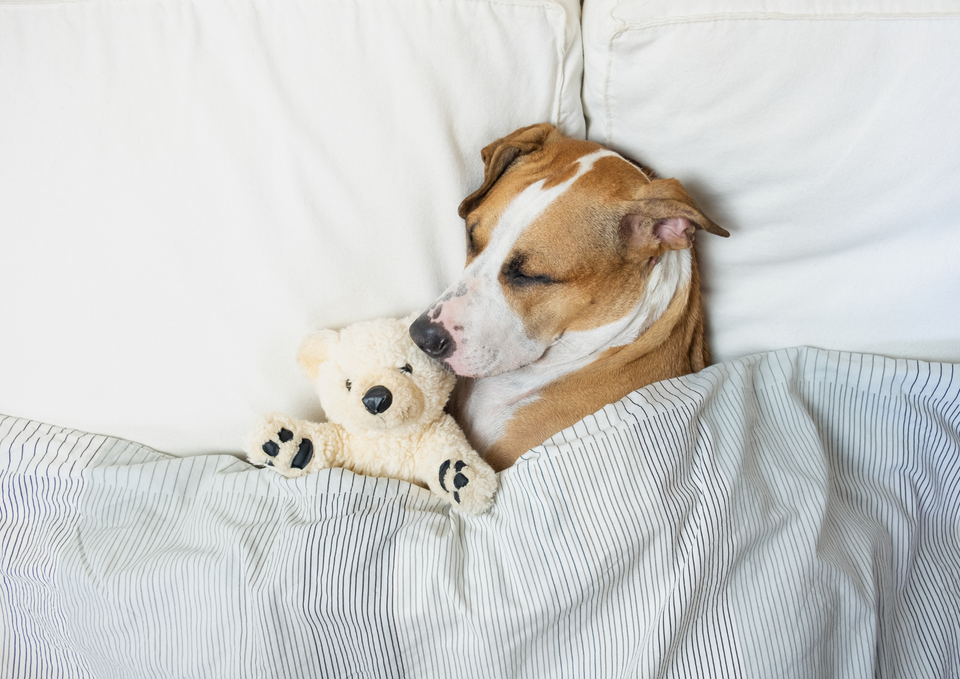
It is the one where your dog comes home happy, comfortable and ready for a well-earned nap.