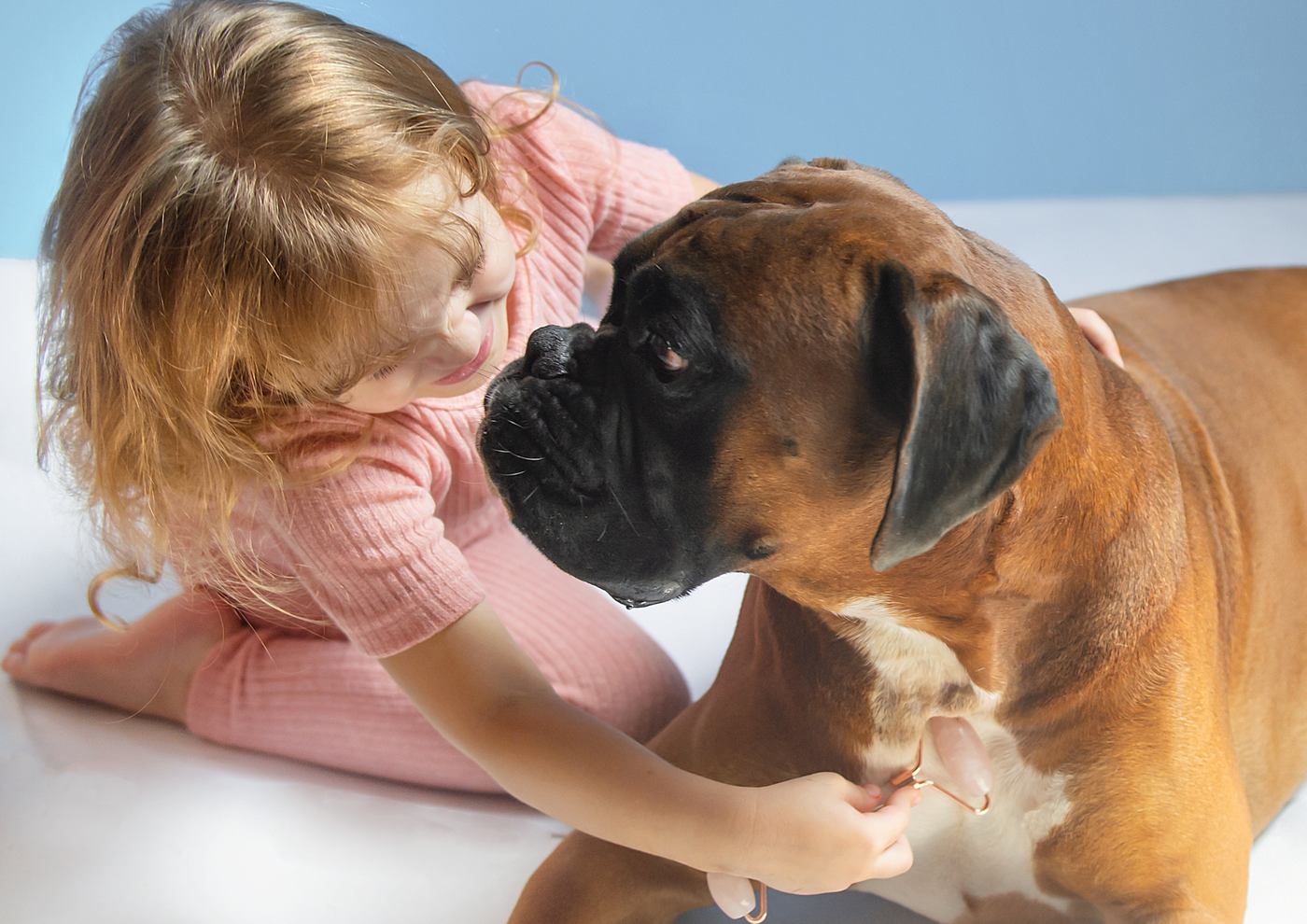
For many families, a dog and a child growing up together sounds like the perfect picture of family life. A toddler throwing a ball for the family Labrador, a child cuddling up with their best furry friend, or a dog happily joining in with garden games are moments many owners hope for.
Dogs and young children can absolutely form wonderful relationships, but safe play does not happen automatically. Children and dogs communicate in very different ways, and misunderstandings can happen quickly. The key is teaching both the child and the dog how to interact respectfully.
The Benefits of Dogs Growing Up With Children
A well-managed relationship between a dog and a child can bring many positives.
Children can learn:
· Responsibility through helping with age-appropriate tasks
· Empathy by understanding another living creature’s needs
· Patience and kindness through training and care
· Confidence when interacting with animals
Dogs can also benefit from living with children when their needs are understood. A child who learns how to play calmly, respect boundaries and read a dog’s body language can become a positive part of a dog’s life.
However, it is important to remember that even the friendliest dog has limits. A dog is an animal with instincts, emotions and preferences. They are not a toy, babysitter or guaranteed playmate.
Supervision Is Essential
One of the most important rules for dogs and young children is simple: an adult should always supervise interactions.
This does not mean watching from another room while listening out for problems. Active supervision means being close enough to step in if needed.
Many incidents happen during ordinary moments:
· A child hugs a dog who is trying to move away
· A toddler grabs a toy or food bowl
· A child climbs onto a dog because they want a cuddle
· A dog becomes overwhelmed by noise or movement
The dog may have shown warning signs before reacting, but young children often do not recognise them.
Teach Children How to Interact With Dogs
Children should learn that dogs deserve personal space, just like people do.
Simple rules can make a huge difference:
Let the dog come to you
Encourage children to allow the dog to approach rather than chasing, grabbing or climbing onto them.
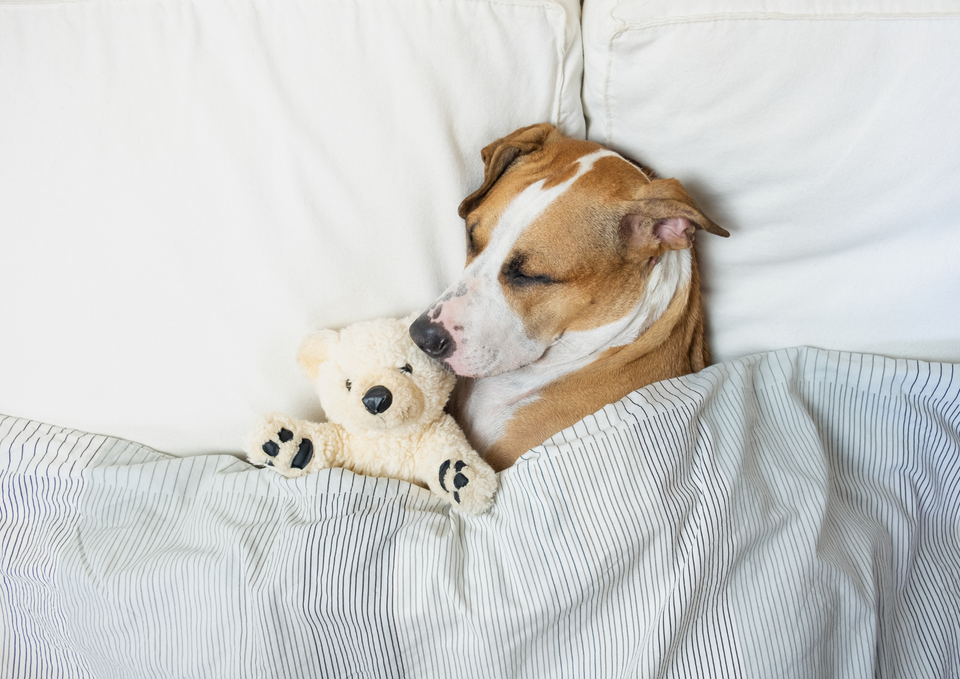
Avoid disturbing dogs when they are eating or sleeping
Dogs should have quiet areas where they can rest without being bothered. A child should never take food, chews or toys away from a dog.
Gentle hands only
Rough play, pulling ears or tails, riding on a dog’s back and squeezing tightly can make even a tolerant dog uncomfortable.
Learn when a dog wants space
A dog moving away is communicating. Children should learn that walking away, hiding or turning their head are signs that the dog needs a break.
Understanding Dog Body Language
Dogs communicate constantly through their body language. Learning the signs that a dog is uncomfortable can help prevent problems.
Signs a dog may need space include:
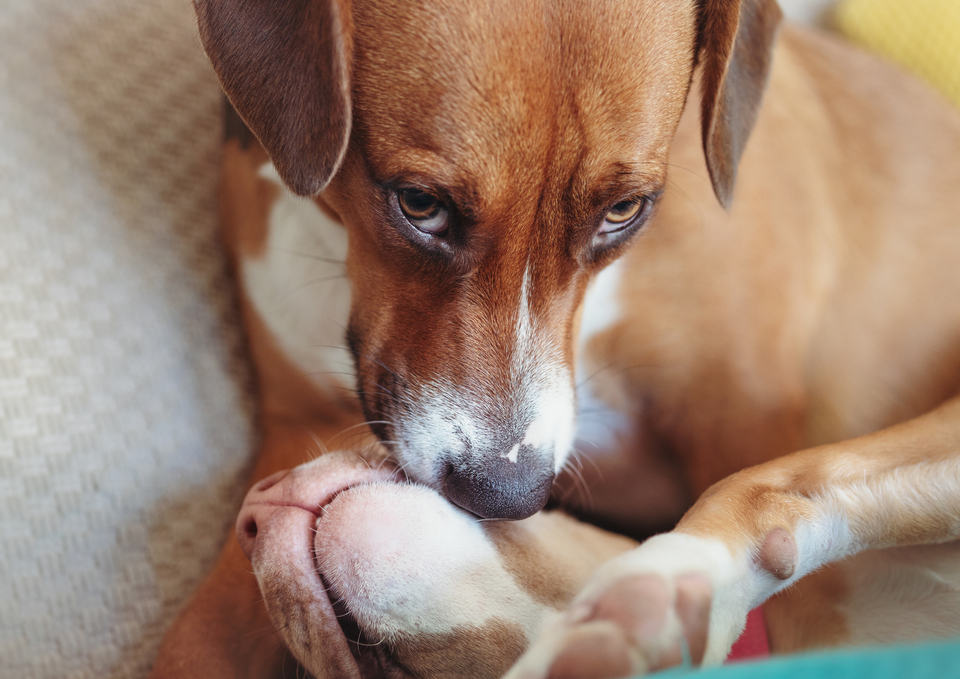
· Turning their head away
· Moving away from the child
· Lip licking when there is no food present
· Yawning when not tired
· Becoming very still
· Showing the whites of their eyes
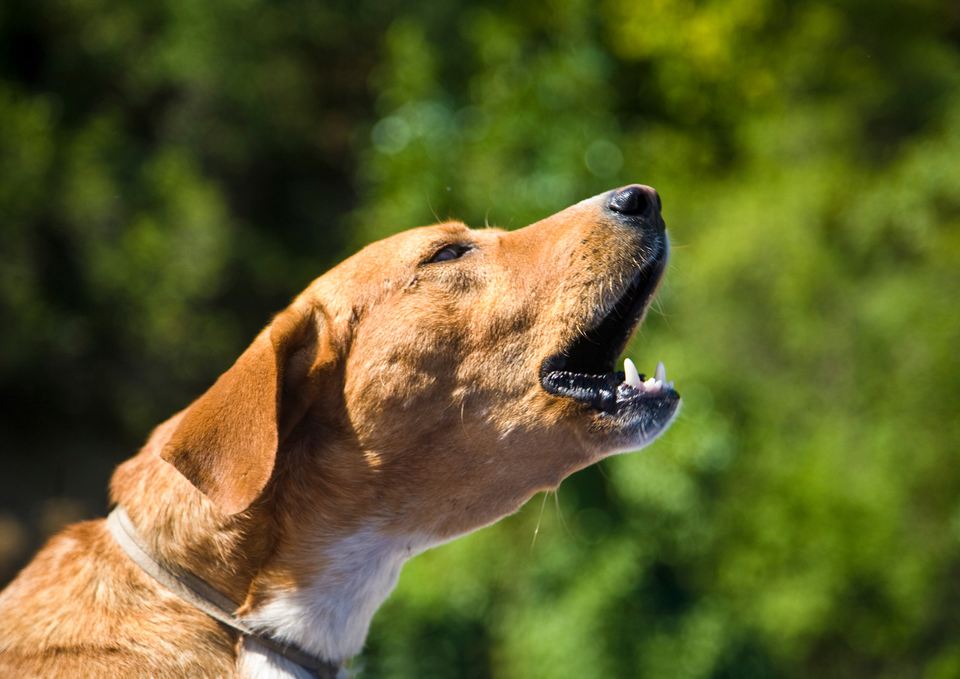
· Growling
Growling is often misunderstood. It is a warning, not bad behaviour. A dog that growls is communicating that they are uncomfortable. Punishing the growl can remove the warning without fixing the underlying problem.
Choose the Right Games
Not all dog games are suitable for young children.
Good options include:
Fetch with rules
An adult can help children throw toys while teaching the dog to return and drop the toy safely.
Training games
Children can help with simple commands such as sit, touch or find it, with adult guidance.
Treasure hunts
Hiding treats or toys for a dog to find can be fun and mentally stimulating.
Calm interaction
Reading a book near the dog, gently stroking them when they choose to interact, or simply spending time together can build a positive relationship.
Games to Avoid
Some types of play can encourage excitement levels that are difficult to manage.
Be cautious with:
· Rough wrestling
· Chasing games where the dog grabs clothing
· Encouraging a dog to jump up
· Taking toys away to tease the dog
· Allowing children to annoy the dog for fun
A game that seems funny to a child can sometimes teach a dog that chasing, grabbing or jumping is rewarding.
What About Family Dogs Who Are “Good With Kids”?
Many dogs are described as being great with children, and many are. However, being tolerant does not mean a dog enjoys every interaction.
A dog may allow a child to climb on them many times before eventually deciding they have had enough. This is why relying on a dog’s patience alone is risky.
Every dog has individual preferences. Some love the noise and activity of family life. Others prefer quieter interactions and more space.
Preparing Your Dog for Children
If you are bringing a baby or young child into a home with a dog, preparation can make the transition easier.
Helpful steps include:
· Teaching basic cues such as sit, stay and leave
· Creating a child-free safe space for the dog
· Getting the dog used to new sounds and routines
· Rewarding calm behaviour around children
· Avoiding making sudden changes that leave the dog feeling excluded
A dog who understands expectations and still receives attention is more likely to adjust well.
When Should Children and Dogs Not Play Together?
There are times when separation is the safest option.
Avoid direct interaction if:
· The dog is showing signs of fear or stress
· The child cannot follow safety rules
· The dog is guarding food, toys or space
· The dog has a history of snapping or biting
· The play is becoming too exciting or uncontrolled
If you have concerns about your dog’s behaviour around children, seek advice from a qualified behaviour professional.
Building a Safe Relationship
The best relationships between dogs and children are built on respect. Children learn that dogs have feelings and boundaries. Dogs learn that children are safe and predictable.
The goal is not to create a dog who tolerates anything a child does. The goal is to create a relationship where both the child and the dog feel comfortable, understood and safe.
With supervision, training and realistic expectations, dogs and young children can become wonderful companions. The memories created can last a lifetime, but the responsibility for keeping everyone safe always belongs to the adults.