Bringing a dog home is exciting, but before their paws first cross the threshold, it is worth taking some time to prepare your space. A new dog is not only learning about you and your routine, they are also discovering a completely unfamiliar environment filled with strange smells, sounds and objects.
A little preparation can make those first few days calmer for everyone and help your dog settle in more confidently.
Create a Safe Space
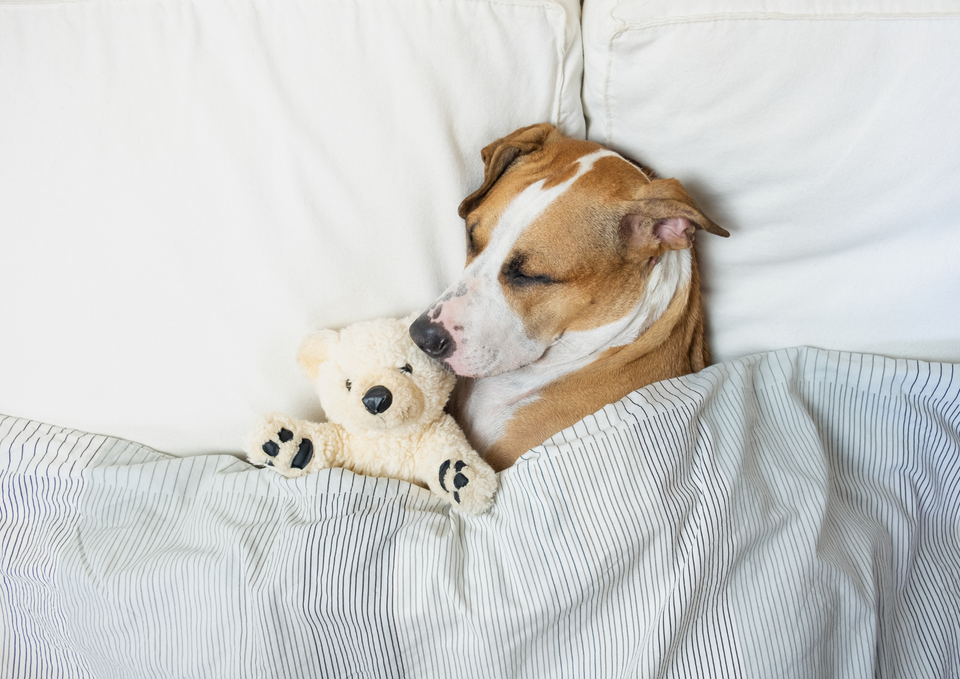
Every dog needs somewhere they can relax and feel secure. This does not need to be a separate room or an elaborate setup. A comfortable corner with a bed, blanket and a few familiar items is often enough.
For puppies, this space can help them learn when it is time to rest. For adult dogs, especially those coming from kennels, rescue environments or a different home, it provides somewhere to retreat when everything feels overwhelming.
Try to avoid constantly disturbing your dog when they are resting. A quiet space helps them understand that they have somewhere safe to switch off.
Puppy-Proof Your Home
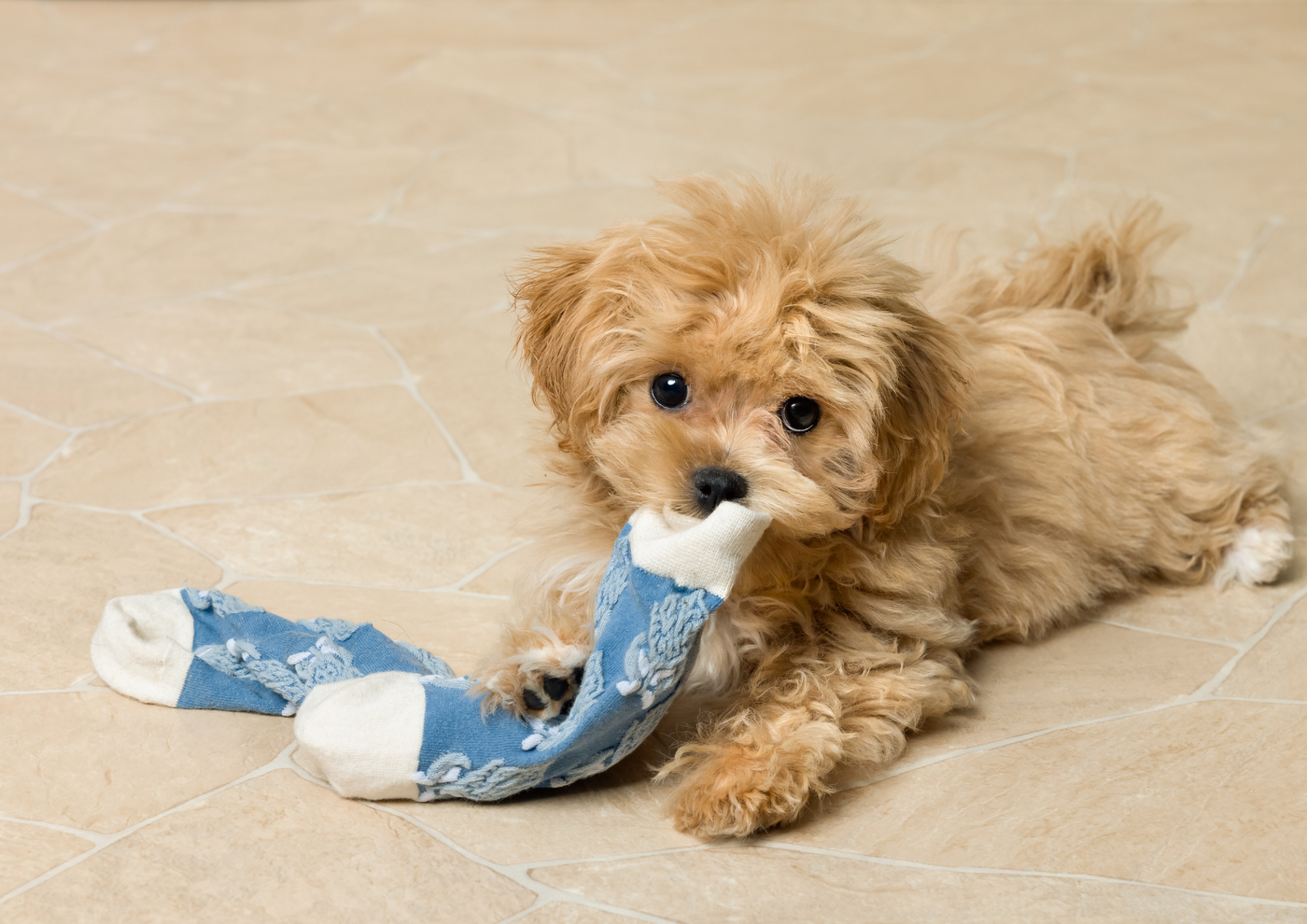
Puppies are curious, energetic and surprisingly good at finding things they should not chew. Before your new arrival comes home, look around your house from a dog’s point of view.
Remove or secure:
· Electrical cables
· Small objects that could be swallowed
· Children’s toys
· Shoes and clothing
· Houseplants that may be harmful
· Cleaning products and medicines
· Food left within reach
Remember that puppies do not understand the difference between an expensive pair of shoes and an old toy. If something is accessible, there is a good chance they will investigate it.
Adult dogs may also need some adjustment time. A previously well-trained dog can still chew, steal food or explore when they arrive somewhere unfamiliar.
Decide Where Things Will Go
Dogs thrive on routine, and having a consistent place for their belongings makes daily life easier.
Choose locations for:
· Food and water bowls
· Bed or crate
· Toys
· Leads and walking equipment
· Grooming supplies
· Food storage
Keeping important items in the same place helps your dog learn the household routine and prevents last-minute searches for the lead when you are already running late for a walk.
Stock Up on the Essentials
You do not need to buy every dog product available before your dog arrives. The pet industry is very good at convincing owners they need gadgets that their dog may completely ignore.
Start with the basics:
· Suitable food and treats
· Food and water bowls
· Collar and identification tag
· Lead
· Comfortable bed
· Toys
· Poop bags
· Grooming brush
· Dog-safe cleaning products
You can add more items later once you understand your dog’s personality and preferences.
Some dogs love soft toys. Others prefer a ball. Some will carefully use the expensive bed you bought. Others will choose the floor, a blanket or the one spot in the house you specifically did not want them lying on.
Check Your Garden or Outdoor Space
If you have a garden, check that it is safe before your dog arrives.
Look for:
· Gaps in fences or gates
· Loose panels
· Plants that could be dangerous
· Garden chemicals
· Water features or ponds
· Items your dog could chew or swallow
Some dogs are determined escape artists, especially when they are nervous or excited. A secure garden gives them somewhere safe to explore.
For puppies, remember that toilet training often involves frequent trips outside, so make access easy.
Prepare for the First Night
The first night can be a big adjustment, especially for puppies who have just left their littermates or dogs who have experienced major changes.
Your dog may:
· Cry or whine
· Wander around
· Seem unsettled
· Sleep more than expected
· Have accidents indoors
This does not mean something is wrong. They are adjusting to a completely new situation.
Keep the first few days calm. Avoid overwhelming them with visitors, busy trips and too many new experiences all at once. Let them explore their new home at their own pace.
Introduce Family Members Slowly
Everyone in the household will be excited, but your dog may need time to process all the attention.
Teach children how to interact safely:
· Let the dog approach them
· Avoid hugging or climbing on the dog
· Leave the dog alone while eating or sleeping
· Use gentle voices and movements
Even friendly dogs need breaks. A dog that is constantly being approached may become stressed, even if they appear to tolerate it.
Plan Your Routine Before They Arrive
Dogs feel more secure when life becomes predictable. Before bringing your dog home, think about:
· Who will feed them?
· When will walks happen?
· Where will they sleep?
· Who will look after them when you are out?
· What rules will everyone follow?
Consistency matters. If one person allows jumping on furniture while another discourages it, your dog may struggle to understand what is expected.
Expect an Adjustment Period
It is easy to imagine your new dog immediately fitting into family life, but most dogs need time to settle.
The first days and weeks are about building trust, learning each other’s habits and creating a routine.
Your dog may behave differently once they become comfortable. A quiet dog may become playful. A confident dog may show nervous behaviours. A perfectly house-trained dog may have accidents while adjusting.
Give them time. The relationship you build is more important than getting everything perfect straight away.
Final Thoughts
Preparing your home for a new dog is about more than buying supplies. It is about creating an environment where your dog can feel safe, understand the routine and begin building a bond with you.
A little planning before they arrive can make those first chaotic, exciting days much easier. The toys may be ignored, the bed may be rejected and the carefully prepared schedule may change, but giving your dog patience, consistency and a safe place to call home is the foundation for a happy life together.