The Real Cost of Owning a Dog
Bringing a dog home is exciting. There is the first walk, the first toy, the first photo that inevitably ends up on your phone, and the feeling that you have gained a new member of the family.
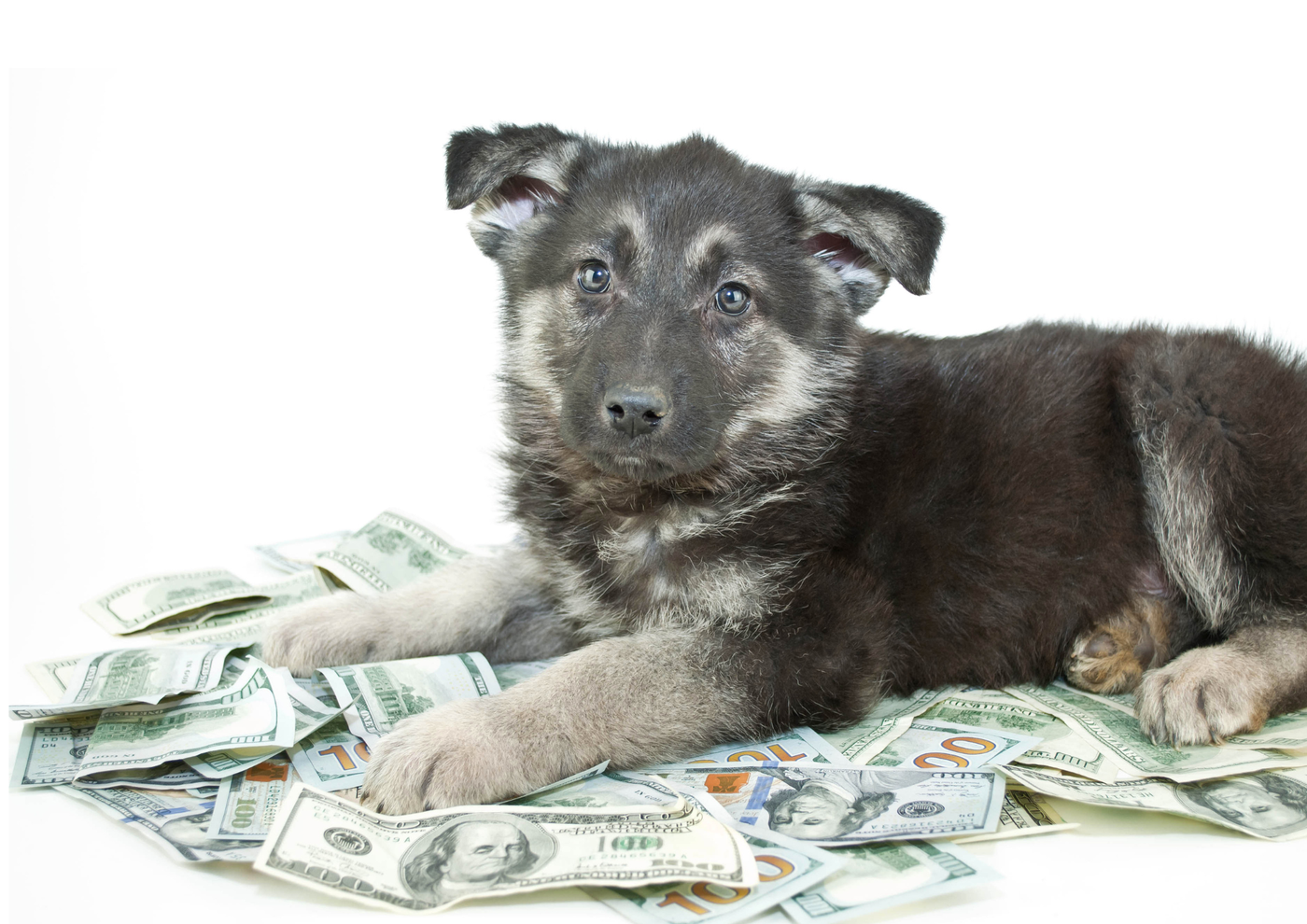
What many people underestimate is the financial side of dog ownership. Dogs bring huge amounts of joy, companionship, and fun, but they also come with ongoing costs that can add up over their lifetime.
Understanding the real cost of owning a dog helps you prepare properly and make sure your new companion has everything they need.
The Initial Cost of Getting a Dog
The first expense depends heavily on where your dog comes from.
Adopting from a rescue centre often involves a donation or adoption fee, which may include vaccinations, microchipping, and basic health checks. Buying from a responsible breeder usually costs considerably more, particularly for popular breeds or puppies from health-tested parents.
Then there are the things your dog needs before they even arrive:
· Collar and ID tag
· Lead and harness
· Food and water bowls
· Bed and blankets
· Crate or puppy pen
· Toys
· Grooming equipment
· Puppy training supplies
· Car safety equipment
It is easy to get carried away buying cute accessories, especially when you are preparing for a puppy. Your dog will probably be just as happy with a cardboard box as an expensive toy, but the essentials still need budgeting for.
Food Costs
Food is one of the biggest ongoing expenses of dog ownership.
The amount you spend depends on your dog’s size, age, activity level, and dietary needs. A small dog eating a standard food may cost relatively little each month, while a large breed on a premium diet or specialist food can cost significantly more.
You may also need to budget for:
· Training treats
· Dental chews
· Supplements
· Special diets recommended by a vet
Remember that puppies often change food as they grow, and some dogs develop sensitivities or medical conditions that require a different diet later in life.
Veterinary Care and Health Costs
Routine veterinary care is something every responsible dog owner needs to plan for.
Regular costs can include:
· Annual vaccinations or health checks
· Flea and tick treatments
· Worming treatments
· Dental care
· Nail trimming if needed
· Medication
Unexpected veterinary bills are where costs can quickly become difficult. Accidents, illnesses, and emergencies can happen even to healthy dogs.
Pet insurance can help protect against large unexpected bills, although it is another monthly cost to consider. Policies vary widely, so it is important to understand what is covered, what is excluded, and whether costs increase as your dog gets older.
Training and Behaviour Support
Training is an investment in your relationship with your dog.
Puppy classes are a popular choice for new owners and can help with basic training, socialisation, and confidence building. Some dogs may also benefit from one-to-one sessions with a trainer or behaviour professional.
Even dogs that are generally well behaved can develop challenges at different stages of life. Separation issues, reactivity, fear, or changes in behaviour may require additional support.
Training is not just about teaching a dog commands. It helps prevent problems and makes everyday life easier for both of you.
Grooming Costs
Grooming expenses depend on your dog’s coat and your ability to manage it yourself.
A short-haired dog may only need occasional brushing and basic care at home. Dogs with longer or curly coats may require regular professional grooming to stay comfortable and healthy.
Costs can include:
· Grooming appointments
· Brushes and combs
· Shampoo
· Ear cleaning products
· Tooth brushing supplies
Even dogs that do not need professional grooming still need regular maintenance.
Dog Walking and Pet Care
Your time is one of the biggest commitments involved in owning a dog.
If your schedule means you cannot provide all of your dog’s exercise yourself, you may need to consider:
· Dog walkers
· Daycare
· Pet sitters
· Boarding when travelling
These services can become a significant ongoing expense, particularly if needed several times a week.
The Cost of Damaged Things
Dogs are wonderful. Dogs are also occasionally chaotic.
Puppies chew furniture, steal socks, dig gardens, and have accidents indoors. Older dogs can also cause unexpected damage through illness, anxiety, or simply being enthusiastic.
Common replacement costs include:
· Chewed shoes
· Destroyed toys
· Damaged carpets
· Scratched furniture
· Garden repairs
Some dogs grow out of these behaviours. Others simply become more creative.
The Hidden Cost: Your Lifestyle
Money is only part of the cost of owning a dog.
Dogs affect how you spend your time and how you make decisions. Holidays need more planning, your daily routine changes, and spontaneous plans may become more complicated.
You may need to think about:
· Who will care for your dog when you are away?
· Can your dog join you on trips?
· How will your dog cope with changes?
· Do you have enough time for exercise and attention every day?
These changes are often worth it, but they are part of the commitment.
How Much Does a Dog Cost Over Its Lifetime?
The lifetime cost of owning a dog varies enormously depending on breed, size, health, and lifestyle.
A smaller dog with few health problems may cost much less than a large breed requiring specialist food, medication, or frequent veterinary care.
Over a dog’s lifetime, owners may spend thousands of pounds on:
· Food
· Healthcare
· Insurance
· Training
· Grooming
· Equipment
· Care services
The initial purchase or adoption fee is only a small part of the overall picture.
Ways to Manage Dog Ownership Costs
Owning a dog does not have to mean spending money on every possible product or service. Many dogs are perfectly happy with simple routines and plenty of attention.
Ways to manage costs include:
· Researching breeds carefully before getting a dog
· Learning basic grooming skills
· Buying quality items that last longer
· Comparing insurance policies
· Building an emergency savings fund
· Making your own enrichment games
· Buying second-hand items where appropriate
The most expensive option is not always the best option for your dog.
The Reward of Dog Ownership
Dogs are a financial commitment, but most owners would say the value they bring goes far beyond money.
The walks, companionship, funny moments, and unconditional enthusiasm become part of everyday life. The muddy paw prints and unexpected expenses are balanced by having a loyal friend waiting at the door.
The best dog owners are not the ones who spend the most. They are the ones who understand the commitment and are prepared to provide a safe, healthy, and happy life for their dog.
Before bringing a dog home, look beyond the adoption fee or puppy price. Consider the full cost, the time commitment, and the responsibility involved. A realistic plan helps ensure your new companion gets the life they deserve.